

Malaysia has emerged as a significant trading hub in Southeast Asia, with a vibrant community of individual traders who are passionate about financial markets. Malaysia traders represent a diverse group of individuals engaged in forex trading, stock market investing, and various other trading activities. The country's robust regulatory framework, combined with increasing digital accessibility and a growing economy, has created an environment where trading culture thrives. In 2026, malaysia traders are not just participants in financial markets-they represent a lifestyle, a mindset, and a community that values discipline, education, and continuous improvement.
The Malaysian Trading Landscape in 2026
The trading environment in Malaysia has experienced remarkable growth over the past several years. According to recent data, Malaysia's total trade reached impressive heights, demonstrating the country's economic resilience and international competitiveness. This macroeconomic strength has translated into increased confidence among individual traders who participate in various financial markets.
Malaysia traders benefit from a well-developed financial infrastructure that includes sophisticated trading platforms, educational resources, and regulatory oversight. The Securities Commission Malaysia and Bank Negara Malaysia provide clear guidelines that protect traders while allowing for market innovation.
Market Performance and Trader Confidence
The trading community in Malaysia has witnessed substantial momentum in 2026. February 2026 saw Malaysia's trade increase by 9.5% to RM245.2 billion, reflecting robust economic activity that creates opportunities for traders across multiple asset classes. When national trade figures show consistent growth, malaysia traders often experience improved market liquidity and more trading opportunities.
Key factors driving trader participation include:
- Increased digital literacy and smartphone penetration
- Access to international trading platforms
- Growing financial education initiatives
- Stronger regulatory frameworks that protect retail traders
- Economic stability that encourages investment
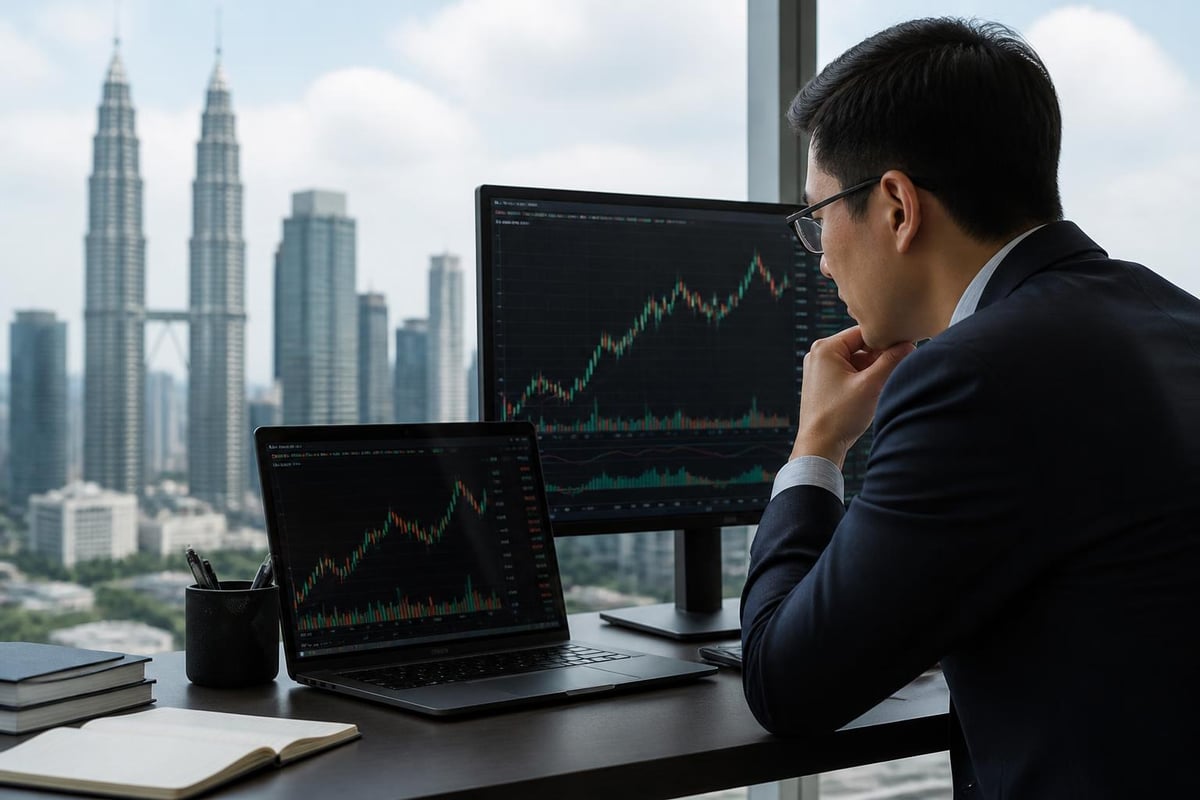
Regulatory Framework for Malaysia Traders
Understanding the legal landscape is essential for anyone interested in trading within Malaysia. The regulatory environment shapes how malaysia traders operate, which platforms they can access, and what protections they enjoy as retail participants in financial markets.
Algorithmic trading legality in Malaysia is clearly defined by regulatory authorities, providing traders with confidence when using automated systems. The Securities Commission Malaysia oversees securities trading, while Bank Negara Malaysia regulates forex activities. This dual-authority approach ensures comprehensive oversight across different market segments.
Compliance and Licensing Requirements
Malaysia traders must navigate specific compliance requirements depending on their trading activities. Brokers operating in Malaysia need proper licensing, and traders should verify that their chosen platforms meet regulatory standards.
| Regulatory Body | Jurisdiction | Primary Focus |
|---|---|---|
| Securities Commission Malaysia | Securities & Derivatives | Stock market, futures, options |
| Bank Negara Malaysia | Foreign Exchange | Forex trading, currency transactions |
| Bursa Malaysia | Stock Exchange | Listed equities, ETFs, bonds |
The legal status of forex trading in Malaysia requires traders to work with authorized dealers and comply with reporting requirements. This regulatory clarity helps malaysia traders make informed decisions about their trading activities without fear of legal complications.
Building the Trader Mindset in Malaysia
What separates successful malaysia traders from those who struggle? The answer lies not just in technical analysis skills or capital availability, but in cultivating the right mindset and treating trading as a serious business endeavor. The trading culture in Malaysia emphasizes discipline, continuous learning, and emotional control.
Professional malaysia traders understand that consistency comes from routine and preparation. They maintain trading journals, track their performance metrics, and continuously refine their strategies based on data rather than emotion. This business-like approach separates casual participants from serious traders who generate consistent results.
Essential Characteristics of Successful Traders
Discipline and risk management form the foundation of profitable trading. Malaysia traders who succeed over the long term implement strict position sizing rules, use stop-losses consistently, and never risk more than a predetermined percentage of their capital on any single trade.
Continuous education remains paramount in rapidly evolving markets. Successful traders dedicate time to studying price action, understanding macroeconomic factors, and staying current with regulatory changes that might affect their strategies.
- Develop a comprehensive trading plan before entering positions
- Maintain detailed records of every trade and its rationale
- Review and analyze performance weekly and monthly
- Stay informed about economic developments affecting traded markets
- Connect with other traders for knowledge sharing and accountability
The apparel choices of serious traders often reflect their commitment to the craft. Many malaysia traders appreciate wearing gear that represents their dedication to the markets, whether they're analyzing charts from home or attending trading meetups.
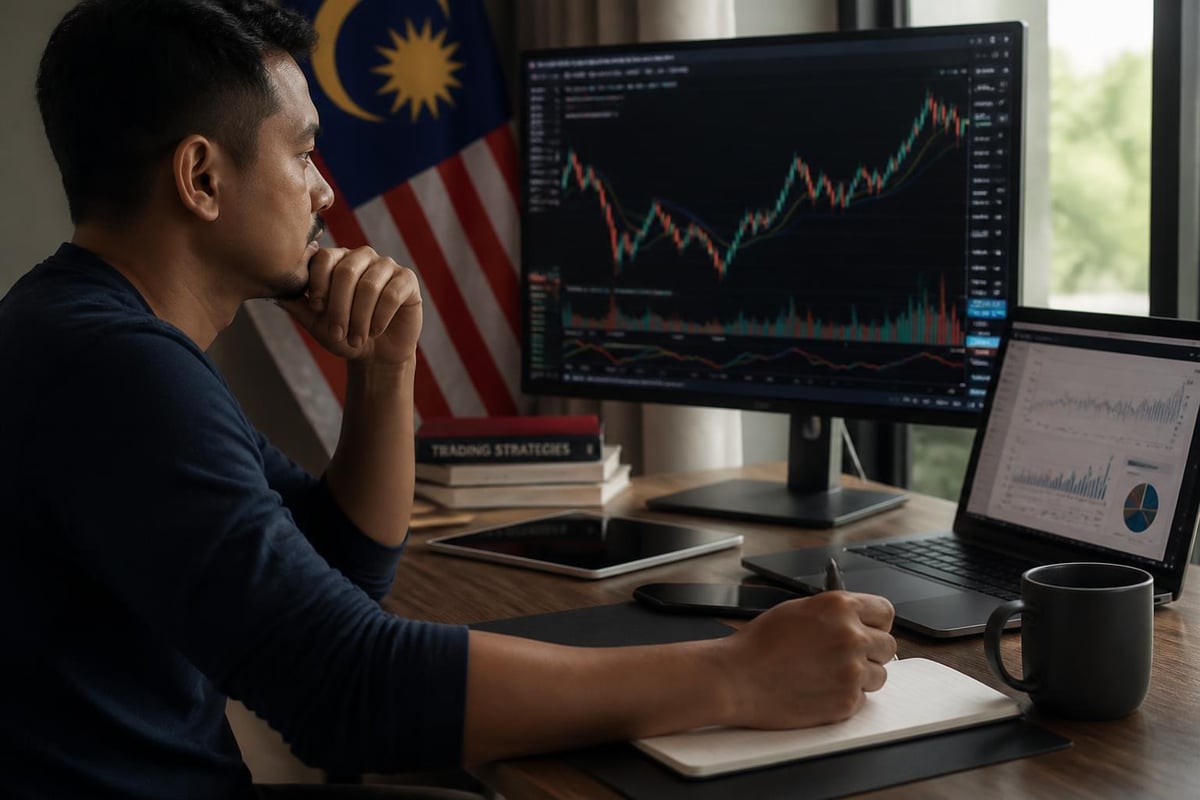
The Trading Community and Culture
Malaysia traders have built a strong community that extends beyond individual screen time. Trading meetups, online forums, and social media groups allow traders to share insights, discuss market conditions, and support each other through the psychological challenges that come with active trading.
This sense of community manifests in various ways, from informal WhatsApp groups discussing daily setups to more structured educational events where experienced traders share their knowledge with newcomers. The trading culture in Malaysia values mentorship and knowledge transfer, recognizing that collective learning benefits everyone in the ecosystem.
Representing Trading Culture
For many malaysia traders, their passion for the markets extends into their lifestyle choices. Wearing trader-themed apparel serves multiple purposes: it's a conversation starter with like-minded individuals, a personal reminder of trading principles, and a way to identify with the broader trading community.
The Wick City - Candlestick Trading Hoodie resonates particularly well with traders who spend significant time analyzing candlestick patterns. For malaysia traders who read rejections, reversals, and liquidity grabs on their charts, wearing gear that reflects their analytical approach makes a statement about their commitment to technical analysis.
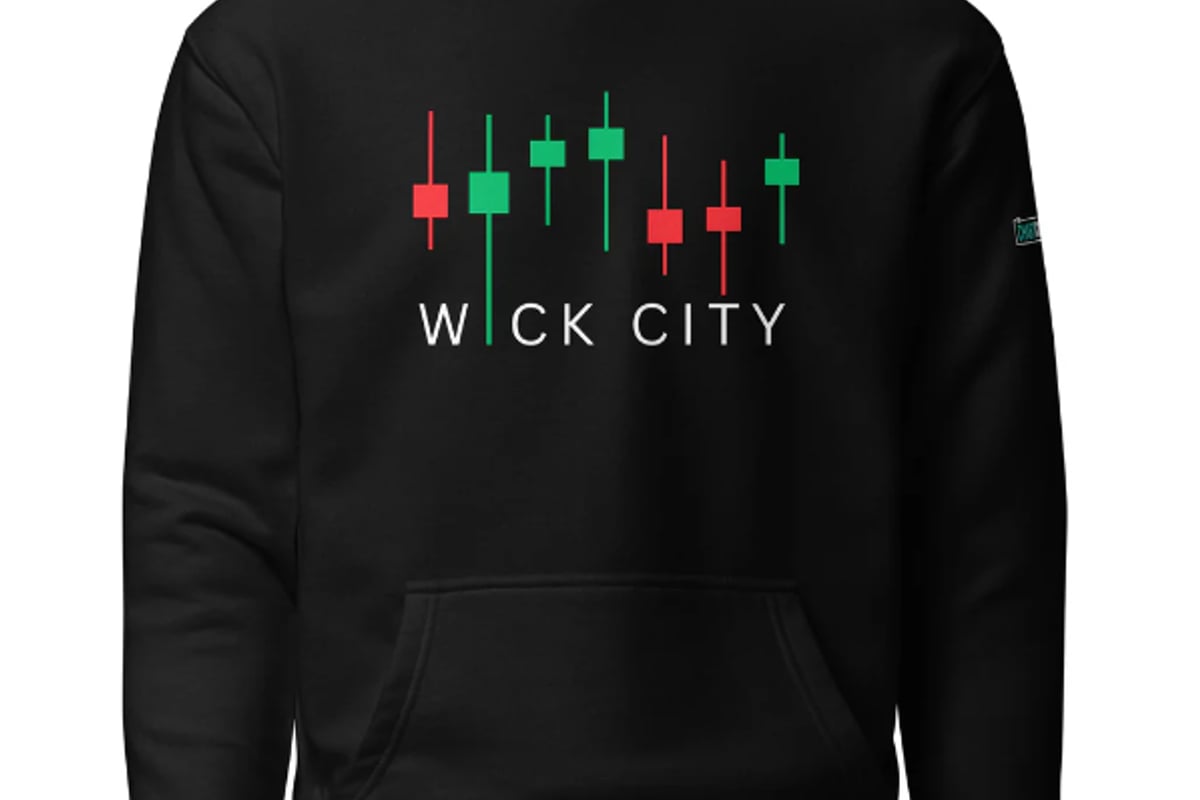
Ways traders express their identity:
- Wearing trading-themed hoodies and t-shirts
- Using custom desk setups with trading-specific accessories
- Displaying motivational quotes related to discipline and patience
- Creating personalized trading spaces that reflect their dedication
- Sharing their trading journey on social media platforms
Trading Strategies Popular Among Malaysia Traders
Malaysia traders employ various strategies depending on their risk tolerance, time availability, and market preferences. Understanding the most common approaches helps new traders find a methodology that aligns with their personality and schedule.
Technical Analysis and Price Action
The majority of active malaysia traders rely heavily on technical analysis. This approach involves studying historical price movements, identifying patterns, and using indicators to make trading decisions. Candlestick patterns, support and resistance levels, and trend analysis form the core of technical trading strategies.
Popular technical indicators include:
- Moving averages for trend identification
- Relative Strength Index (RSI) for momentum
- Fibonacci retracements for potential reversal zones
- Bollinger Bands for volatility assessment
- MACD for trend confirmation
Fundamental Analysis and Economic Events
Some malaysia traders incorporate fundamental analysis, particularly when trading forex pairs. They monitor economic calendars, central bank decisions, and geopolitical events that might impact currency valuations or stock prices. This approach requires understanding macroeconomic principles and staying informed about global developments.
| Trading Style | Time Commitment | Typical Holding Period | Skill Level Required |
|---|---|---|---|
| Scalping | Very High | Minutes to hours | Advanced |
| Day Trading | High | Hours (close by EOD) | Intermediate to Advanced |
| Swing Trading | Moderate | Days to weeks | Intermediate |
| Position Trading | Low to Moderate | Weeks to months | Beginner to Intermediate |
Regional Trading Hub Dynamics
The concentration of trading activity in Malaysia isn't uniform across the country. According to data, five states contributed 81.6% of Malaysia's trade activity, highlighting regional economic centers that naturally attract more individual traders as well.
These economic hubs-typically including Selangor, Johor, Penang, Kuala Lumpur, and Sarawak-provide malaysia traders with better access to trading infrastructure, educational resources, and community events. However, with increasing digital connectivity, traders from all regions can access the same platforms and opportunities.
Urban vs. Rural Trading Access
While urban areas may have more physical trading meetups and better internet infrastructure, the democratization of trading technology means malaysia traders from any location can participate in global markets. Cloud-based platforms, mobile trading apps, and widespread broadband availability have leveled the playing field significantly.
The key differentiator isn't location but rather commitment to education and discipline. Traders who invest time in learning proper risk management, developing systematic approaches, and maintaining emotional control succeed regardless of their physical location.
Technology and Platform Selection
Malaysia traders have access to numerous trading platforms, both local and international. Selecting the right platform involves evaluating factors like regulatory compliance, fee structures, available markets, platform stability, and customer support quality.
Critical platform evaluation criteria:
- Regulatory licensing and compliance status
- Trading fees, spreads, and commission structures
- Available markets (forex, stocks, commodities, crypto)
- Platform reliability and execution speed
- Educational resources and research tools
- Customer service responsiveness
- Deposit and withdrawal methods
- Mobile app functionality
Many malaysia traders use multiple platforms to diversify their broker risk and access different markets. For instance, they might use one broker for forex trading and another for stock market participation, depending on which offers better conditions for each asset class.
Risk Management Principles
Perhaps the most critical skill for malaysia traders is effective risk management. Markets are inherently unpredictable, and even the best analysis can result in losing trades. The difference between traders who survive long-term and those who deplete their capital lies in how they manage risk.
Position Sizing and Capital Preservation
Professional traders never risk more than 1-2% of their total capital on any single trade. This conservative approach ensures that a series of losing trades won't devastate their account. Malaysia traders who embrace this principle can weather inevitable drawdowns while maintaining the capital necessary to capture profitable opportunities.
Risk management tools include:
- Stop-loss orders to limit potential losses
- Position sizing calculators to determine appropriate trade sizes
- Risk-reward ratio analysis (typically targeting 1:2 or better)
- Portfolio diversification across different markets
- Maximum daily loss limits to prevent emotional trading
The mindset of treating trading like a business rather than gambling significantly impacts risk management practices. Business owners don't bet everything on single outcomes-they diversify, plan conservatively, and protect their capital. Malaysia traders who adopt this mentality improve their long-term survival rates dramatically.
Educational Resources and Continuous Learning
The trading landscape evolves constantly with new strategies, technologies, and market dynamics. Malaysia traders who commit to continuous education maintain their competitive edge and adapt to changing conditions more effectively.
Learning Pathways for Traders
Beginner traders should focus on:
- Understanding market basics and terminology
- Learning to read candlestick charts
- Practicing with demo accounts before risking real money
- Studying fundamental risk management principles
- Developing a simple trading strategy to start
Intermediate traders can advance by:
- Backtesting strategies against historical data
- Incorporating multiple timeframe analysis
- Studying market psychology and behavioral finance
- Joining trading communities for peer learning
- Analyzing their own trade history for patterns
Advanced traders continue growing through:
- Developing proprietary indicators or systems
- Exploring algorithmic or systematic trading approaches
- Mentoring newer traders and teaching their methods
- Staying current with regulatory and technological changes
- Refining psychological discipline through mindfulness practices
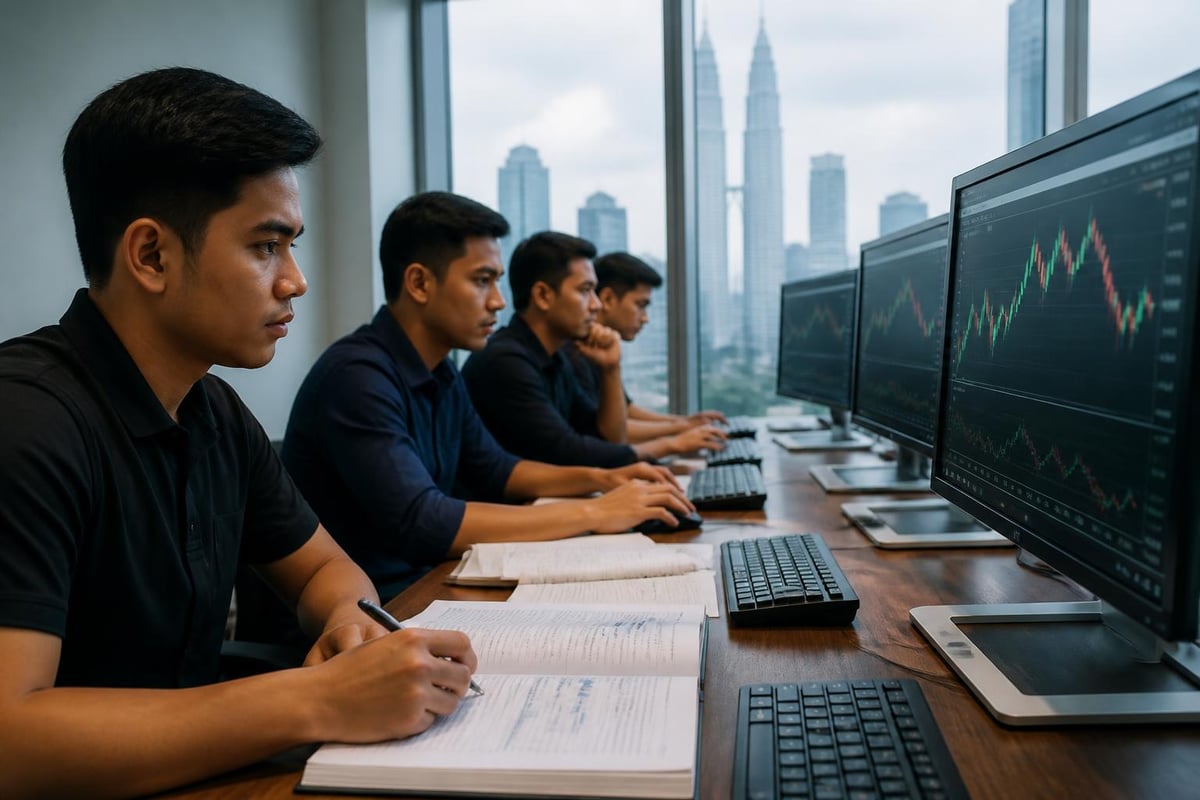
Psychology and Emotional Control
Technical skills and market knowledge mean little without emotional control. Malaysia traders face the same psychological challenges as traders worldwide: fear of missing out, revenge trading after losses, overconfidence following wins, and the stress of uncertainty.
Successful traders develop systems that remove emotion from execution. They follow their trading plans regardless of how they feel, maintain predetermined risk parameters, and avoid impulsive decisions based on short-term market movements.
Common psychological pitfalls include:
- Overtrading due to boredom or need for action
- Revenge trading to recover losses quickly
- Moving stop-losses when trades go against them
- Taking profits too early due to fear
- Letting losing positions run too long hoping for recovery
Building mental resilience requires practice, self-awareness, and often support from other traders who understand the psychological demands. Many malaysia traders find that physical reminders of their trading principles-whether desk accessories or motivational apparel-help them stay focused on their long-term goals rather than short-term fluctuations.
The Future of Trading in Malaysia
Looking ahead, the prospects for malaysia traders appear promising. Continued economic growth, technological advancement, and regulatory refinement create an environment conducive to active trading participation. The increasing availability of educational resources means new traders enter the market better prepared than previous generations.
Emerging technologies like artificial intelligence and machine learning are becoming more accessible to retail traders. While institutional traders have long enjoyed technological advantages, the democratization of these tools allows individual malaysia traders to compete more effectively in sophisticated markets.
The trading community continues to grow, both in numbers and sophistication. As more Malaysians recognize trading as a viable path to financial independence or supplementary income, the culture around trading strengthens. This growth brings challenges-more competition, potentially increased regulatory scrutiny-but also opportunities for knowledge sharing and community support.
Malaysia traders in 2026 operate in a dynamic environment characterized by economic growth, clear regulations, and a supportive community. Success in this landscape requires more than market knowledge-it demands discipline, continuous learning, effective risk management, and the right mindset. Whether you're analyzing candlestick patterns, developing systematic strategies, or connecting with fellow traders, representing your commitment to the trading lifestyle matters. The Chart Culture provides apparel and accessories that let passionate traders showcase their dedication both at the desk and beyond, helping you embody the disciplined, professional approach that separates successful traders from the rest.